A Comprehensive Guide to Menstrual Cups: Pros, Cons, and Usage
What is a Menstrual Cup?
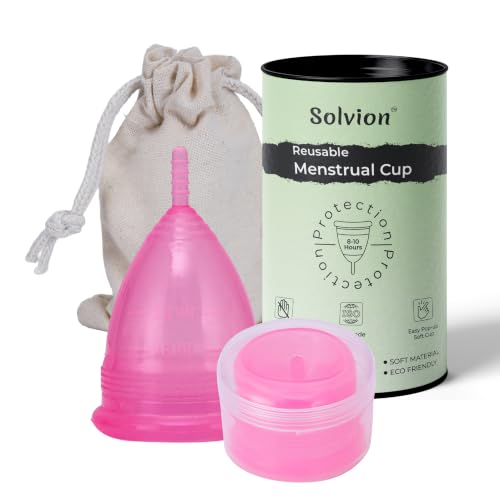
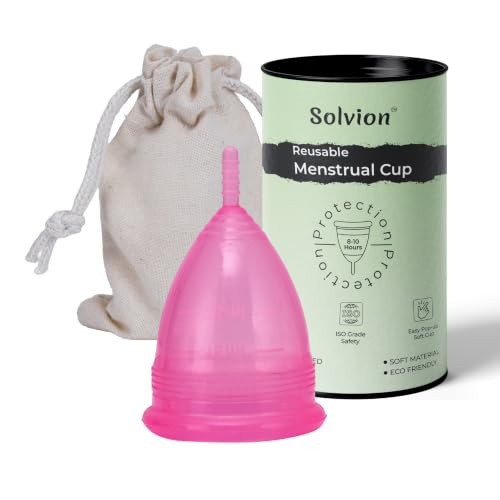
A menstrual cup is a flexible cup made from medical-grade silicone, rubber, or latex that’s designed to collect menstrual fluid. It offers an alternative to traditional menstrual products such as pads and tampons, providing a more sustainable option for managing periods.
Advantages of Using a Menstrual Cup
One of the primary advantages of using a menstrual cup is its environmental impact. Unlike disposable products that contribute to landfill waste, menstrual cups can be reused for several years, significantly reducing waste. Additionally, menstrual cups can hold more fluid than typical pads or tampons, allowing for longer wear times, which can be particularly beneficial during heavy flow days.
Another advantage is cost-effectiveness. Although there is an initial investment, many users find that menstrual cups save money in the long run since they don’t need to be replaced often. Furthermore, many users report feeling more comfortable with menstrual cups compared to other products, as they can be worn discreetly without the risk of leaks.
Disadvantages and Usage Tips
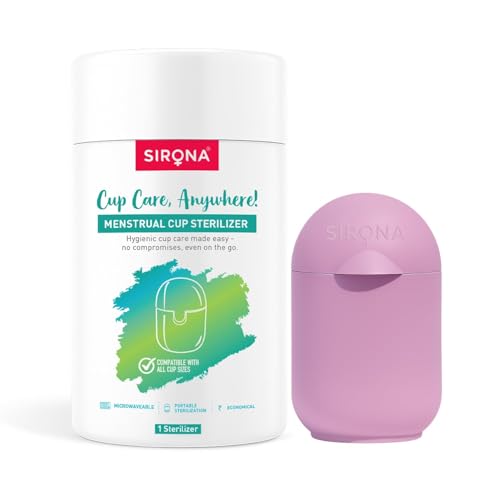
On the downside, some may find it challenging to insert or remove the cup, especially beginners. It may take a few cycles to become accustomed to it. Additionally, proper hygiene is crucial; the cup should be sterilized before the first use and washed thoroughly between uses.
To use a menstrual cup effectively, start by washing your hands and the cup. Fold the cup and insert it into the vagina, aiming for a comfortable fit. It’s essential to ensure that the cup has opened fully to create a seal for leak prevention. Regularly check the cup’s position and change it every 4 to 12 hours, depending on your flow.
In conclusion, menstrual cups offer various benefits, including eco-friendliness and cost savings, but they may not be suitable for everyone. With the right instructions and practice, they can be an efficient alternative for managing menstrual health.