Understanding the Menstrual Cycle
The menstrual cycle is a complex, cyclical process that typically lasts between 21 to 35 days, characterized by several distinct phases: the menstrual phase, follicular phase, ovulation, and luteal phase. Each phase is associated with specific hormonal fluctuations that can significantly influence physical health and emotional well-being.
The menstrual phase marks the beginning of the cycle, during which the uterine lining sheds if pregnancy does not occur. This phase can last from three to seven days and is often accompanied by symptoms such as cramps, mood swings, and changes in energy levels. The decline in estrogen and progesterone levels at this time can lead to various physiological and psychological effects, influencing a woman’s overall comfort and mood.
Following menstruation is the follicular phase, which extends until ovulation. During this phase, the pituitary gland releases follicle-stimulating hormone (FSH), stimulating the ovaries to produce follicles, each containing an egg. As the follicles mature, they secrete estrogen, leading to the thickening of the uterine lining in preparation for a potential pregnancy. This increase in estrogen can enhance mood and energy, often resulting in a sense of well-being and vitality.
Ovulation occurs mid-cycle when a surge in luteinizing hormone (LH) triggers the release of a mature egg from the ovary into the fallopian tube. This event is often accompanied by physical signs, such as slight cramping or increased libido. Understanding ovulation is crucial for women trying to conceive, as this is the optimal time for fertilization.
Finally, the luteal phase follows ovulation and lasts until the start of the next menstrual cycle. In this phase, the ruptured follicle transforms into the corpus luteum, which secretes progesterone. This hormone prepares the endometrium for implantation. If fertilization does not occur, progesterone levels decline, resulting in the onset of menstruation. This decline can contribute to premenstrual symptoms, including irritability, fatigue, and discomfort.
Overall, awareness of the menstrual cycle phases, the biological and hormonal changes involved, and their potential impacts on well-being can empower women to better manage their health throughout the cycle.
Importance of Menstrual Hygiene Practices
Maintaining proper hygiene during the menstrual cycle is essential for women’s health and well-being. Menstrual hygiene practices not only help prevent infections and discomfort but also play a significant role in enhancing the overall experience of menstruation. By adopting good hygiene practices, individuals can manage their menstrual flow effectively while promoting a self-care routine that supports physical and emotional health.
There are several hygiene products available to assist in menstrual management, each with its own set of advantages. Sanitary pads are one of the most commonly used products. They come in various sizes and absorbency levels, allowing for personalization according to individual flow intensity and preferences. The convenience of pads, combined with their ease of use, makes them a popular choice for many women.
Another widely used product is the tampon, which is inserted into the vaginal canal to absorb menstrual fluid. Tampons are appreciated for their discreetness and ability to allow freedom of movement, making them suitable for active lifestyles. It is crucial, however, to choose the right absorbency level to minimize the risk of Toxic Shock Syndrome (TSS), which is a rare but serious condition linked to tampon usage.
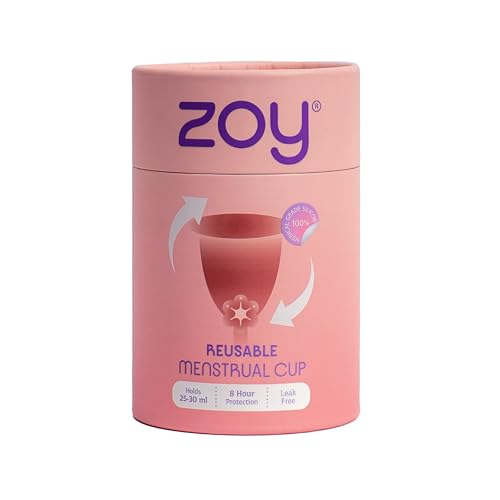
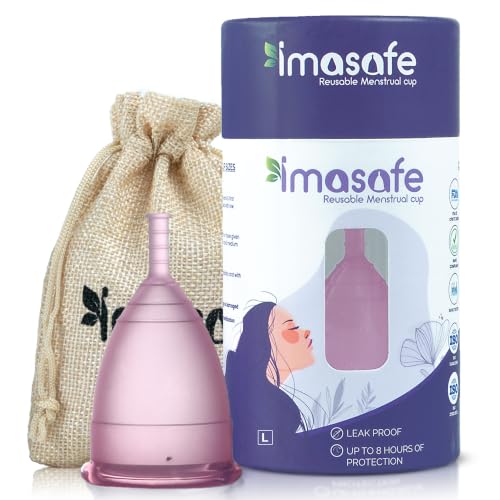
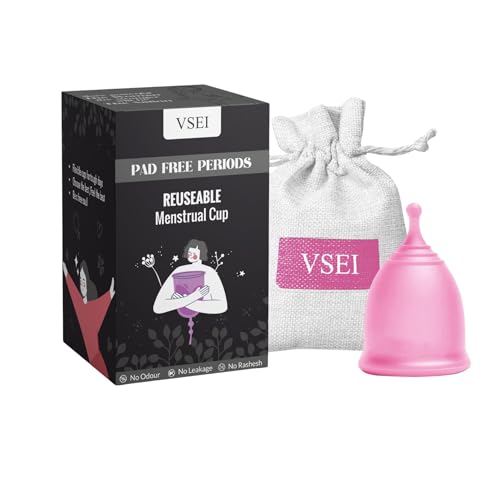
Menstrual cups, a reusable and eco-friendly option, have gained popularity due to their longevity and sustainability. Made from flexible medical-grade silicone, rubber, or latex, menstrual cups can collect a larger volume of fluid than pads or tampons, making them suitable for individuals with a heavier flow. When properly cleaned and maintained, these cups can be reused for several years, reducing waste and saving on menstrual product costs.
Choosing the right menstrual hygiene product is highly personal and can depend on several factors, including comfort, lifestyle, and individual flow characteristics. Education about the different options available empowers women to make informed decisions that cater to their specific needs. In conclusion, prioritizing menstrual hygiene is essential for health and quality of life during menstruation, thus fostering a proactive approach to self-care.
Lifestyle Tips for Menstrual Comfort
Managing discomfort during the menstrual cycle is essential for enhancing well-being. One of the most effective methods of alleviating menstrual symptoms is through dietary adjustments. A balanced diet rich in fruits, vegetables, whole grains, and lean proteins can help reduce bloating and inflammation. Incorporating foods high in omega-3 fatty acids, such as salmon, flaxseeds, and walnuts, is known to help minimize menstrual cramps. Additionally, staying hydrated by drinking sufficient water and herbal teas can mitigate headaches and reduce fatigue associated with menstrual discomfort.
Exercise is also a vital component in managing menstrual discomfort. Engaging in regular physical activity releases endorphins, which are natural painkillers and can improve mood. Activities such as yoga, swimming, or walking not only alleviate cramps but also promote relaxation. Establishing a consistent exercise routine during the menstrual cycle can help in regulating menstrual flow and reducing the severity of symptoms.
Furthermore, stress relief techniques play a significant role in menstrual comfort. Practices such as mindfulness, meditation, or simple breathing exercises can help manage stress levels, which may otherwise exacerbate menstrual symptoms. Taking time to engage in hobbies or activities that promote relaxation can significantly contribute to overall well-being during this time. Additionally, ensuring adequate sleep is crucial; setting a consistent sleep schedule aids in the body’s recovery and can minimize fatigue during the cycle.
Implementing these lifestyle changes can make a considerable difference in the way one experiences their menstrual cycle. Developing personalized strategies that incorporate effective dietary choices, regular physical activity, and adequate stress management can significantly enhance menstrual comfort and overall quality of life. By prioritizing these aspects, individuals can navigate their menstrual cycles with greater ease and comfort.
Recommended Products for Menstrual Cycle Care
Taking care of one’s menstrual health can be greatly aided by the right products. In this section, we will explore various recommendations that can enhance comfort and hygiene during menstruation. From menstrual cups to pain relief items, several products stand out as particularly beneficial.
One popular option among those looking for sustainable menstrual care is the menstrual cup. These silicone or rubber cups are designed to collect menstrual fluid, offering an eco-friendly alternative to disposable sanitary products. Menstrual cups can be worn for up to 12 hours, making them not only environmentally friendly but also convenient for long-term wear. Brands like DivaCup and Lunette offer various sizes to accommodate different flow levels and body types.
In addition to menstrual cups, many individuals find relief from menstrual discomfort with over-the-counter pain relief medications. Products like ibuprofen and naproxen are frequently recommended to alleviate cramps and reduce menstrual pain. For those looking for a more natural approach, herbal teas such as chamomile or ginger can provide soothing effects, potentially reducing inflammation and easing pain.
Hygiene is a crucial aspect of menstrual cycle care, and selecting the right sanitary items can make a significant difference. Organic cotton pads and tampons are preferable for reducing exposure to harmful chemicals, and brands like Cora and Organicup have gained popularity for their commitment to using natural materials. These products can be gentler on the skin and are often more breathable, providing added comfort during menstruation.
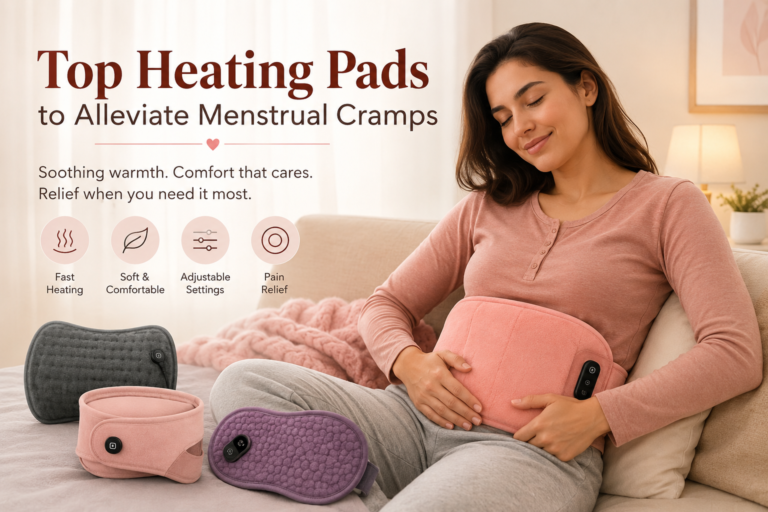
Finally, incorporating a heat pad or a heating patch can serve as an effective method to relieve menstrual pain. Products such as ThermaCare offer portable options that provide targeted heat relief, relaxing muscles and minimizing discomfort. Utilizing these recommended products can significantly enhance one’s experience during their menstrual cycle, contributing to overall menstrual health.