Vaginal Dryness After 40: Causes and Ways to Manage It

Declining estrogen can change comfort and sensation. Understanding why can make it easier to manage.

6 min read · Medically reviewed

vaginal dryness after 40

Quick take

  • Vaginal dryness is one of the most common, and most under-discussed, symptoms of the transition to menopause.
  • Lower estrogen thins and reduces elasticity in vaginal tissue, affecting comfort, sensation and sometimes urinary health.
  • Moisturizers, lubricants and, for some, prescription options can meaningfully help.

Why estrogen decline affects vaginal tissue

Estrogen helps maintain the thickness, elasticity and natural lubrication of vaginal tissue. As estrogen levels decline during perimenopause and menopause, tissue can become thinner, drier and less elastic — a cluster of changes sometimes referred to as genitourinary syndrome of menopause, or GSM.
This is a physical, hormonally-driven change rather than anything related to attraction or desire, and it affects the large majority of women at some point during this transition.

Common symptoms beyond dryness

Along with dryness, some women notice itching or a burning sensation, discomfort during sex, increased urinary urgency, or a higher likelihood of urinary tract infections. Mild spotting after intercourse can also occur as tissue becomes more fragile.
These symptoms often develop gradually, which is part of why they can go unaddressed for longer than other, more sudden perimenopause symptoms.

Lubricants vs. moisturizers — what's the difference

Lubricants are used at the time of intercourse to reduce friction and improve comfort in the moment; water-based and silicone-based versions are both widely available and well tolerated by most people.
Vaginal moisturizers are different — they’re used regularly, a few times a week regardless of sexual activity, to support ongoing tissue hydration, similar to how a facial moisturizer is used as part of a daily routine rather than only when needed.

Other approaches worth knowing about

Staying sexually active, when comfortable, can help maintain tissue elasticity through increased blood flow. Pelvic floor exercises may also improve comfort and circulation in the area.
For women whose symptoms don’t improve with over-the-counter options, prescription topical estrogen is a low-dose, localized option that some choose to discuss with a doctor — it’s a separate consideration from systemic hormone therapy.

When to see a doctor

It’s worth seeing a doctor if you notice persistent burning or pain, unusual discharge or bleeding, recurrent urinary tract infections, or if over-the-counter moisturizers and lubricants aren’t providing enough relief. These symptoms are common, well understood, and there are more options available than many women realize.
This article is for general information only and is not a substitute for professional medical advice. Read our full Medical Disclaimer.
Bestseller #1
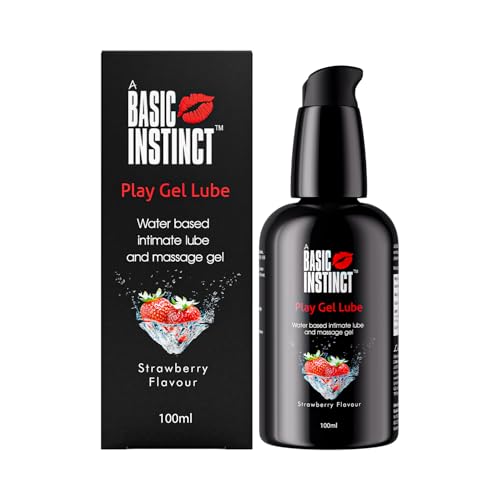
  • SKIN FRIENDLY FOR BOTH MEN & WOMEN
  • SILICONE AND PARABEN FREE
  • Water-Based Formula
Bestseller #2
  • SKIN FRIENDLY FOR BOTH MEN & WOMEN
  • SILICONE AND PARABEN FREE
  • Water-Based Formula
Bestseller #3
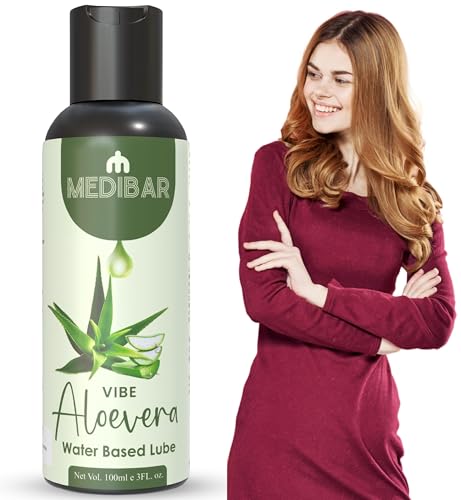
  • Water-Based Personal Lubricant Gel – A smooth, non-sticky gel formulated to help provide a comfortable glide and support...
  • Infused with Soothing Botanical Extracts – Formulated with Aloe Vera, Glycerin, Stevia, and Green Tea Extracts, which he...
  • Long-Lasting & Non-Sticky Formula – Designed to provide a smooth and comfortable glide, this water-based gel helps reduc...
₹412.99

Keep reading

PERSONAL CARE
5 min read
PERIMENOPAUSE & MENOPAUSE
5 min read

Wellness insights for women in midlife

Practical health, personal care and wellness guidance — delivered without the noise.
Your email address
Festive Big Sale – shop offers on Amazon India

As an Amazon Associate, Luna Comfort earns from qualifying purchases.

Scroll to Top