If you've found yourself learning to manage a parent's medicines, worrying about a fall in the bathroom, or simply trying to be two places at once, you're not alone. Millions of Indian families are quietly doing this work every day, often while raising children, holding down jobs, and looking after their own health too. LunaComfort has always been about helping women take care of themselves. This guide starts a new part of that same mission: helping you take care of the people who once took care of you.
What "Elder Care at Home" Actually Involves
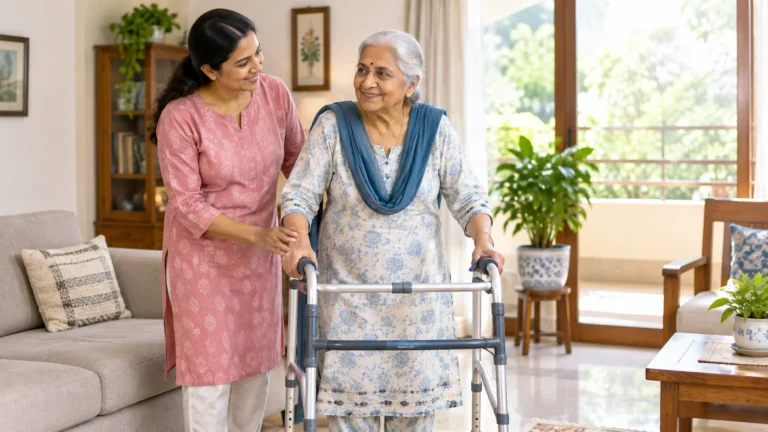
Elder care at home isn't one task, it's a mix of smaller ones that add up: helping with daily routines, keeping the home safe, managing hygiene needs with dignity, staying on top of medicines and appointments, and simply being present. Some parents need light support, a reminder here, a hand there. Others need much more hands-on help. There's no single "right" amount of care. The goal is to match what you do to what your parent actually needs, without burning yourself out in the process. Not sure where things currently stand? Our guide to signs your aging parent may need more help can help you figure out if it's time to step in more, and if needs grow beyond what's manageable at home, our guide to home care vs assisted living can help you think through the options. If hands-on help means bringing in outside support, our guide to hiring a home care attendant covers what to look for.
Building a Simple Daily Routine
A loose daily rhythm makes care easier for everyone, including your parent. It doesn't need to be rigid, just predictable enough that mealtimes, medicines, and rest happen around the same time each day.
Mornings usually work best when they follow a familiar order: waking up, freshening up, a nutritious breakfast, and any morning medicines, ideally at the same time each day. Afternoons can include a short walk if your parent is mobile, a rest period, and a lighter meal. Evenings benefit from calm, low-stimulation time before bed, especially if sleep has become harder as they've aged. Small, consistent habits like this reduce confusion and anxiety far more than any single big change.
Everyday Safety, Without Turning the House Upside Down
Most falls and minor accidents at home happen in ordinary moments: getting out of bed, walking to the bathroom at night, stepping over a loose mat. You don't need to remodel the house to make it safer. Clearing walking paths, adding a nightlight between the bedroom and bathroom, securing loose rugs, and keeping frequently used items within easy reach solve a large share of the risk on their own. We go into this in much more depth in our guide to preventing falls at home, with room-specific bathroom and mobility guides coming soon in this series.
Personal Care and Hygiene, Handled With Dignity
For many families, this is the part that feels hardest to talk about, and that's exactly why it deserves a calm, practical approach rather than an awkward one. Incontinence, bathing, and toileting needs are common as people age, and they're manageable with the right products and a little planning. What matters most is protecting your parent's dignity: knocking before entering, involving them in decisions about their own care, and choosing products that make daily hygiene simpler for both of you. Our beginner's guide to adult diapers covers this in detail, including how to choose the right type and start the conversation.
A Few Products That Make Care Easier
A well-stocked home goes a long way toward making elder care manageable day to day: non-slip bath mats, a sturdy shower chair, good adult diapers or underpads, a reliable pill organiser, and a nightlight or two cover most of the basics. See our full guide to essential elder care products for a category-by-category breakdown, plus buying tips for Indian families.
Looking After Yourself While You Care for Someone Else
It's easy to put your own needs last when you're focused on someone else's. But caregiver burnout is real, and it doesn't help the person you're caring for if you run yourself into the ground. The same self-care habits that support you through a demanding week, proper rest, a few minutes for yourself, staying connected to friends, matter just as much now, maybe more. We go into this in more depth in our guide to self-care for women caring for aging parents.
When to Involve a Doctor or Professional Caregiver
This guide is meant to help with everyday, practical care. It isn't medical advice, and it can't replace a doctor's judgement. Reach out to a healthcare professional promptly if your parent has a fall, sudden confusion, chest pain, difficulty breathing, a wound that isn't healing, or a noticeable change in appetite, mood, or memory. For ongoing conditions like dementia, diabetes, or heart disease, work with their doctor to build a care plan; this guide is meant to sit alongside that, not replace it. It's also worth having an honest conversation as a family about when additional help, whether a part-time caregiver or a home-care service, might be needed.
Frequently Asked Questions
How do I start caring for an aging parent at home?
Start by having an honest conversation with your parent about what kind of help they're comfortable with, then observe their daily routine for a week or two to see where the real gaps are: medicines, meals, mobility, or hygiene. Address the most pressing safety issue first, then build the rest of the routine gradually.
How much care does my parent actually need?
This varies widely and can change over time. A good marker is independence with daily activities like bathing, dressing, eating, and moving around safely. If your parent is managing most of these well, light support may be enough. If several are becoming difficult or unsafe, it's worth discussing more structured help with their doctor.
What if I can't be there every day?
Many caregivers manage from a distance or share responsibilities with siblings or relatives. A simple shared routine, regular phone check-ins, safety basics like grab bars and good lighting, and a trusted neighbour or part-time helper can cover a lot of ground even when you can't be present daily.
Is it normal to feel overwhelmed by all of this?
Yes, completely. Caring for a parent while managing your own life is genuinely demanding, and feeling stretched thin doesn't mean you're doing it wrong. Building in small breaks, asking family to share the load, and giving yourself the same patience you'd give a friend in this situation all help over time.
This is the first guide in LunaComfort's growing Caregiving & Elder Care section. We've since published detailed guides on adult diapers and incontinence care, home safety and fall prevention, dementia-friendly routines, caregiver wellness, and, importantly, the legal and financial documents worth having in place, everything in one place, written for the family members actually doing this work.
RELATED PRODUCTS ON AMAZON
You Might Also Find These Helpful
🏠
Home Safety Starter Kit
Bundles like grab bars, non-slip strips, and rails to fall-proof a room at once.
See options on Amazon📋
Caregiver Planner
Keeps medications, appointments, and daily notes organized in one place.
See options on Amazon🦯
Mobility Aid
A cane or walker adds steadiness and confidence when moving around the house.
See options on AmazonAs an Amazon Associate, we may earn from qualifying purchases when you buy through the links above, at no extra cost to you.

Pingback: Essential Elder Care Products Every Family Should Consider
Pingback: Adult Diapers for Elderly Parents: A Beginner's Guide
Pingback: How to Prevent Falls at Home for Elderly Parents
Pingback: Nutrition and Easy Meal Ideas for Elderly Parents
Pingback: Managing Medications for an Elderly Parent
Pingback: Signs Your Aging Parent May Need More Help | LunaComfort
Pingback: Legal & Financial Documents for Elder Care
Pingback: Home Care vs Assisted Living: How to Decide
Pingback: Self-Care for Women Caring for Aging Parents
Pingback: Hiring a Home Care Attendant: What to Look For
Pingback: How to Manage Urinary Incontinence in Elderly People
Pingback: Helping an Elderly Parent Get Dressed | LunaComfort
Pingback: How to Make a Bathroom Safer for an Elderly Person
Pingback: Building a Weekly Caregiving Schedule That Actually Works